





Casino N1Bet Reviews And What They Miss
People love star ratings. Quick dopamine. Suppose you are in Sydney at midnight, scrolling on your phone, and you see a pile of opinions flying past - five stars, one star, angry caps lock, and the occasional calm comment. The trick is not believing one story. The trick is spotting patterns.
Some players write when they win, some write when they lose, and a lot write only when they feel ignored. So I read feedback like a mechanic listening to an engine. What is repeating? What is new? What sounds like a user mistake, and what sounds like a platform process?
And keep your own test loop in mind while reading. A tiny deposit, a short play session, then a small withdrawal request later. You do that once and suddenly half the internet drama becomes easier to judge.
What People Praise First
Suppose you log in from Melbourne on a lunch break and you just want a fast game launch. The first praise you see is often about speed - quick lobby loading, easy navigation, and a cashier that is not hidden behind five menus. That matters because it changes how long you stay. If a platform feels smooth, you do not burn your session time fighting buttons.
Another common positive theme is variety. Slots that do not feel cloned. Table games that do not look like an afterthought. And a search bar that actually finds what you typed. If the platform nails those basics, players mention it in plain language, not marketing-speak.
But do not treat praise as proof of perfection. A platform can feel great on day one and still have slow processing on a weekend. Two different layers. Fun layer vs money layer.
The Complaints That Need Context
Suppose you changed your phone number today, switched devices, and then requested a payout tonight. A manual check can happen. Some players call that “blocked” even when it is a normal safety step. So when you read complaints, look for details: method type, timeline, what the status said, whether support asked for documents.
Also watch for promo confusion. People accept an offer without reading the limits, then try to withdraw immediately, and get angry. That is not always wrongdoing. That is a mismatch between expectations and rules.
One more red flag style you will see: dramatic accusations with zero specifics. No time. No amount. No steps. Just a shout. Treat that as noise until you see a consistent cluster of detailed reports that match each other.
Getting Started In Australia Without Extra Stress
You open the registration form, you type your details, and you want to get to the games. Simple. Suppose you are in Brisbane on mobile data and you are rushing - this is where mistakes happen. Slow down for two minutes and you save yourself an hour later.
Start by keeping your account information consistent. Same name format, same address style, one phone number you actually use. If your details jump around, you can trigger extra checks later when you least want them. And if a platform asks you to confirm your email early, do it. That email becomes your lifeline for resets and security prompts.
Verification is another thing people treat like a chore. It is better as a timing choice. Do it early, in good lighting, when you are calm. Not at 2 a.m. after a long session. If you handle it early, later withdrawals tend to feel less tense.
And think about device security. If two-step authentication is offered, use it. Yes, it adds a step. It also blocks the classic “someone guessed my password” nightmare. Suppose you are on public Wi-Fi at an airport, half-asleep, and you log in - extra confirmation can save you.
Games And Live Tables: What The Lobby Feels Like
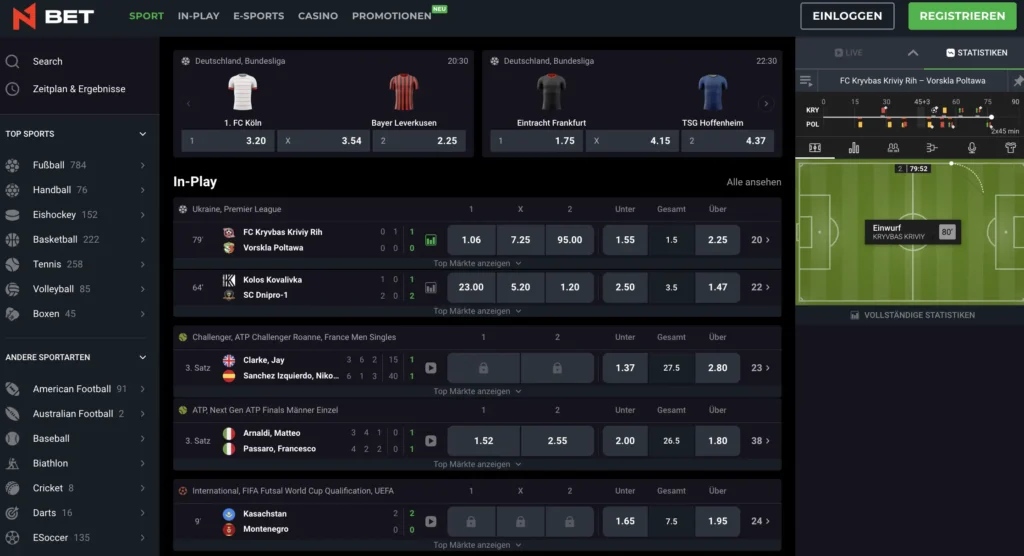
The lobby sets the mood. Suppose you are in Perth, you have ten minutes, and you want quick entertainment. You open the platform, you scan categories, and you pick a slot. If the lobby is clean, you are playing in under a minute. If it is cluttered, you spend your whole break scrolling.
A good catalog is not only “a lot of games.” It is discoverability. Filters that work. Categories that make sense. New releases that are actually new, not just rearranged thumbnails. And stable launches, because nothing kills the vibe like a game that freezes on the loading screen.
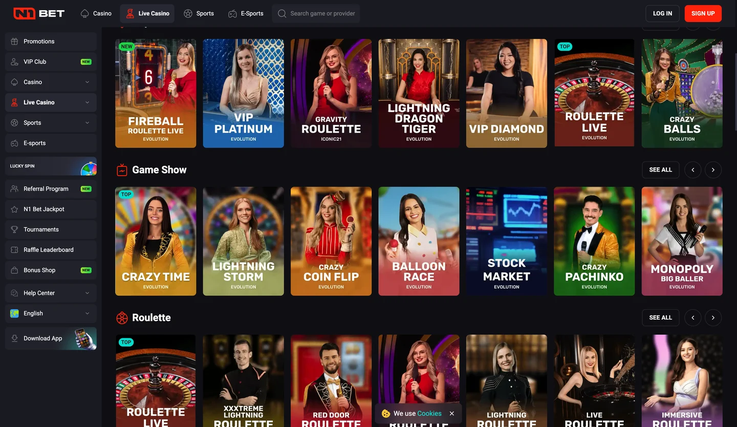
Live tables add a different flavor. You are not just spinning. You are watching a dealer, hearing background noise, and playing within a timer. That timer matters. If it is too short, you feel rushed. If it is too long, you get bored and start making sloppy decisions.
Slots For Quick Sessions
Suppose you are waiting for takeaway in Adelaide. You want a slot that loads fast and lets you control stakes without fuss. The safest way to start is boring: low stake, short run, see how the feature triggers behave. Ten to twenty spins is enough to feel if the game is smooth.
If a slot feels “sticky” in a bad way, meaning long stretches with nothing happening, do not argue with it. Close it. Pick another. The catalog is there for a reason. And set a timer on your phone if you know you drift. A timer is not glamorous. It works.
Live Dealer Rooms On Stable Internet
Suppose you are at home in Canberra on Wi-Fi and you want roulette. Check stream quality for a full minute before you bet. Watch the chip placement delay. If your taps feel late, you will hate the whole session.
Also check table limits. Some rooms look casual but start higher than you expect. You click in, you see the minimum, and you back out. Better to learn that in ten seconds than after you have already settled in mentally.
And do not play live on shaky mobile data if you get tilted easily. A dropped stream feels personal. It is not personal. It is physics.
Search, Filters, And That “One More Click” Feeling
Suppose you know exactly what you want to play. A search bar should get you there fast. If it does not, you end up browsing and getting distracted by whatever is pushed at you. So test search early. Type a few letters, see if results feel relevant, then open the info panel and check minimum stake.
Filters should also behave. If you filter by provider or feature and the lobby still shows everything, that is a usability miss. It does not ruin a platform, but it does add friction. Friction is what makes people rage-quit.

Promotions And Bonus Offers: Control The Switch
Promos are a deal. Not a gift. Suppose you are in Sydney and you plan to withdraw later tonight - you need control over what rules attach to your balance. If you accept an offer, you accept conditions. That can be fine. It just needs to be your choice, not an accident.
The cleanest approach is to separate your play modes. Mode one: no promo, clean funds, easier exit. Mode two: promo active, longer session, conditions accepted. Mixing modes mid-session is where confusion starts.
Read three pieces before you opt in. Playthrough requirement, max stake while meeting conditions, and which games count fully. That is it. You do not need to memorize every line. You just need to know the finish line. If any of those pieces are unclear, skip the offer and play normally.
Opt-In Strategy When Cashing Out Matters
Suppose you hit a win early and your first instinct is “withdraw.” If you are tied to unfinished promo conditions, your withdrawable amount can be restricted until requirements are met. That restriction feels brutal when you did not expect it.
So if a quick cashout is your goal, keep offers off. If entertainment is your goal and you accept longer play, promos can add value. Decide before you deposit. A two-minute decision can prevent a two-hour argument with yourself later.
Also watch time limits. If an offer has a tight window and you cannot complete it comfortably, do not start. A rushed promo run leads to bad bets. Bad bets lead to bad moods.
Deposits, Withdrawals, And The Processing Stages That Matter
Money movement is where trust is earned or lost. Suppose you are in Melbourne on a Friday night, you finish a session, and you request a payout. You want two things: a clear status trail and predictable timing for your method type.
The best habit is a small test cycle early. Deposit a small amount. Play a short session. Then request a small withdrawal later. Not because you are scared, but because it shows you how the system behaves with your details, your device, and your chosen payment path.
Keep your profile stable during money moves. If you change your phone number, address, and device in the same day, you raise flags. That can cause manual review. Manual review is not fun, but it is often a safety step rather than a punishment.
Here is a practical cheat sheet of common cashier behavior players run into. It is a map, not a promise.
Wallet account and basic verification | Deposit Speed | Withdrawal Speed | Best For | Small Watch-Out |
|---|---|---|---|---|
Instant bank option | Seconds to minutes | Hours to 1-2 days | Quick test cycles | Keep bank details consistent |
Card payment | Immediate | 1-3 days | Familiar routine | Larger cashouts may trigger checks |
E-wallet | Immediate | Same day to 24h | Budget separation | Confirm currency settings |
Bank transfer | 1-3 days | 1-3 days | Planned bankroll moves | Not great for urgent weekends |
And yes, Australia players can see differences in available methods depending on their bank, device, and account checks. That is normal across platforms. The practical move is to pick one method you trust, then stick with it for a while.
The Small Withdrawal Test That Calms You Down
Suppose you deposit and play and everything feels fine, but you still wonder about payouts. Do a small withdrawal request. Tiny. The goal is not to “win big.” The goal is to watch the status stages and see how long each stage takes for your method.
Take a screenshot of the status right after you submit. Save it. If anything looks off later, you have the exact timestamp and status text. That alone makes support chats easier and less emotional.
And do not spam refresh every minute. Check, wait, do something else, check again. If you stare at the status screen, time slows down.
Common Delay Triggers You Can Avoid
Weekend banking windows can slow processing. Switching payment types can slow processing. Editing your profile right before a payout can slow processing. Logging in from a brand new device on public Wi-Fi can also trigger extra confirmation.
Suppose you are in Perth and you want to withdraw tonight. Then do not change your phone number tonight. Do not switch devices three times tonight. Keep it steady. Simple.
If your request sits longer than expected, gather facts before contacting support: request time, amount, method type, status text, and any error message. Facts first. Emotions later.
Mobile Play, Limits, And Safer Habits
Most sessions happen on phones now. Suppose you are on a train in Sydney and your signal bounces between 4G and 5G. Slots often handle that better than live tables because they buffer. Live streams can stutter, and that stutter can push you into rushed decisions.
Mobile performance also depends on your device settings. Battery saver can throttle performance. Low storage can cause tabs to reload. Too many apps in the background can make the browser freeze. If your session feels laggy, close apps, disable battery saver, restart the browser, and try again. Boring fix. Often works.
Now the bigger topic: limits. Deposit caps, loss limits, time reminders, cooling-off options. These tools are not there to annoy you. They are there because your mood changes mid-session. You start calm. Then a few losses hit and your brain gets loud.
Set limits before you play. Suppose you are in Brisbane after a rough day and you feel impulsive. That is exactly when you should set a strict cap and a short timer. If the timer hits, stand up. Walk. Drink water. Come back later, or do not come back. Your call.
And do not play on public Wi-Fi when moving money if you can avoid it. Mobile data is often safer for cashier actions. Use Wi-Fi at home for longer sessions. Keep it simple.